Trending

There is a particular kind of silence that exists only in a flat at 2am — until the bin lorry arrives, or next door's boiler kicks in, or a fox starts an argument under the window. White noise, pink noise and brown noise do not silence any of that. They fill the gaps between the sounds, so your brain stops flinching at each one. Used well, they can turn an unpredictable bedroom into a steadier one. Used badly, they simply add another noise to the pile.
White noise contains roughly equal energy at every frequency the ear can hear, which is why it sounds like a hiss: an untuned radio, a hairdryer on low, steady static.
Its value is masking. Your brain is built to notice change — a door closing, a floorboard creaking, a car pulling away. A constant broadband sound raises the floor of what is audible, so sudden peaks stand out less. The kettle still clicks. It just stops jolting you upright.
The point is not that you stop hearing your surroundings. It is that your surroundings stop being interesting. Light sleepers are usually woken by change, not by volume, and masking blurs the edges of change.
Equal energy across the frequency range, so it sounds bright and hissy. Excellent at covering high-frequency sounds: a neighbour's television chatter, faint music through a wall, the tyre hiss of a busy road. Some people find it a little sharp or tiring after an hour.
Lower frequencies carry more energy than higher ones, which makes pink noise softer and rounder to the ear. It sits closer to the sound of steady rainfall, wind in trees or a decent desk fan. Most people find it the easiest of the three to leave running all night, which makes it the sensible first thing to try.
Deeper again, with the low end dominating. It sounds like distant thunder, a low waterfall or the cabin of an aircraft in flight. The name comes from Brownian motion rather than the colour, though the rumble certainly earns it. On a small phone speaker, brown noise can sound muddy and may distort, which rather defeats the purpose.
The guiding principle is simple: use the quietest level that still masks the sound you are trying to hide. If your noise is louder than the thing you are escaping, you have overshot and are now the disturbance.
A few practical checks:
Apps are the cheapest place to start and usually offer every colour, plus timers and fade-outs. Dedicated sleep machines tend to have better speakers for the low end, which matters if brown noise is your preference. Smart speakers work, but disable notifications and updates first — a voice announcement at 3am is nobody's idea of masking. A fan or air purifier gives you pink-ish noise with air movement thrown in, and nothing to charge.
Whichever you choose, avoid anything with a flashing light, a bright display or a habit of reconnecting itself in the small hours.
Pick pink noise, set it just loud enough to take the edge off the room, put the phone or speaker on the far side of the bedside table, and run it on a 45-minute timer rather than all night. In the morning, note roughly when you woke and whether the sound helped or irritated. Three nights of that will teach you more than a fortnight of reading about it.
And if the problem is not noise at all — stress, pain, a snoring partner, a health worry that keeps surfacing at 4am — no colour on the spectrum will fix it. That one belongs with a GP, or with a candid conversation and a decent pair of earplugs.
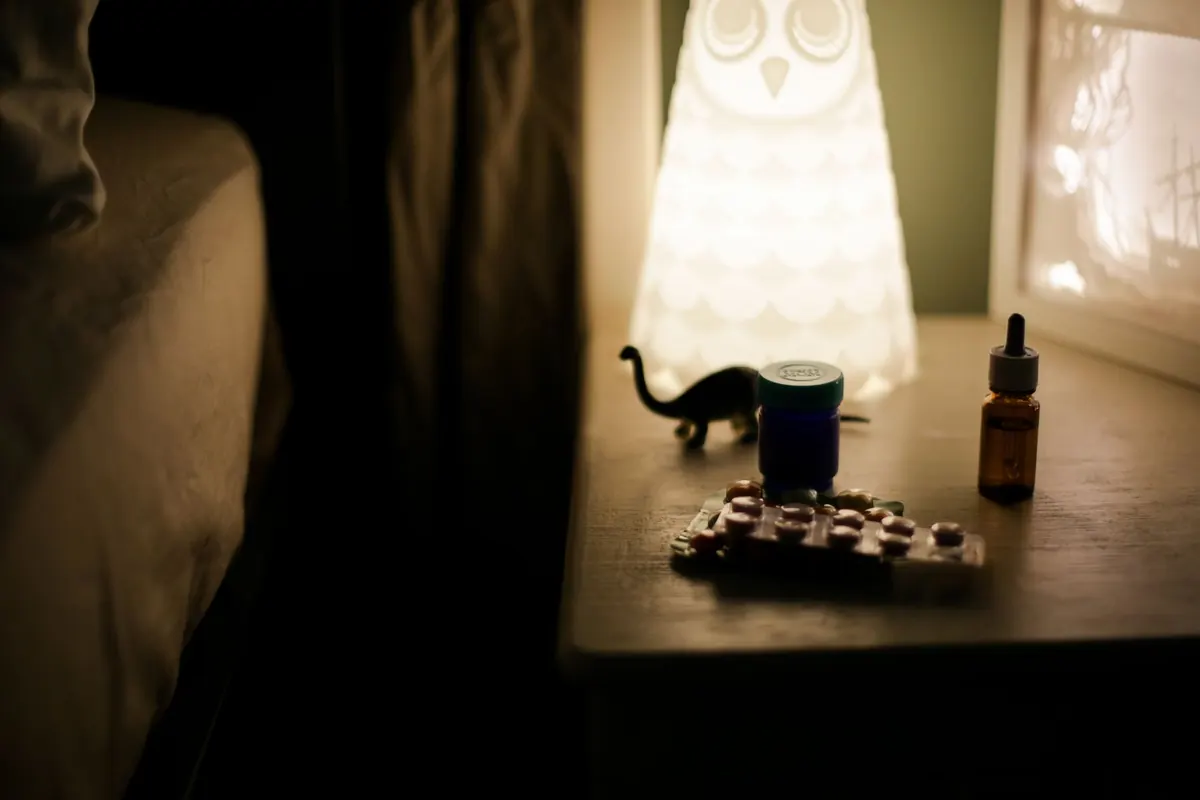
Photo: cottonbro studio / Pexels