Trending

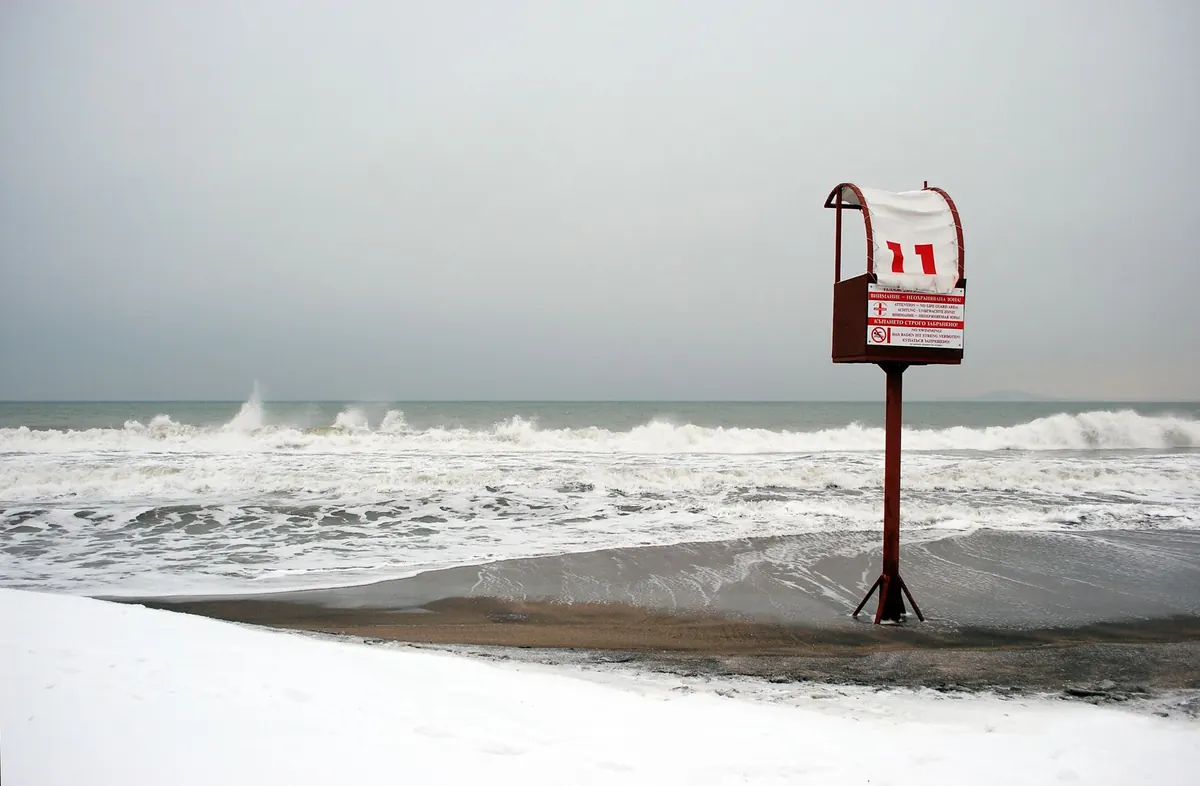
The best beach in Britain is the one with nobody else on it. Between June and September, that is a fantasy. In November it is a Tuesday morning in Northumberland, with one other car in the car park and a flock of oystercatchers working the tide line.
Off-season coastal walking is not about suffering for the sake of it. It is simply that the British coast changes character once the windbreaks go away. Sand that felt hemmed in by crowds in August reads like an estuary in January, and the places that empty fastest are rarely the ones people expect.
Nearly every popular beach in the UK follows the same rhythm: full from the last week of July to the first week of September, busy on bank holidays and bright weekends either side, then abruptly quiet from mid-September onwards.
The exceptions are worth knowing. Half-term in October, Christmas Day and New Year's Day can fill a car park as thoroughly as August, particularly where a festive swim has become a local tradition. A bright, cold Sunday in February will draw people too. But a wet Tuesday in November, or a grey morning in March, will not.
So the trick is not finding a secret beach. It is arriving at the right time. A bay that holds two thousand people in July may hold six in February, and it is the same sand either way.
Long, open beaches with no single feature to queue for tend to clear quickest. Anything with a promenade, an arcade and a chip shop stays busy longer; anything reached by a single-track lane with a modest car park empties almost at once.
Notice the pattern: no pier, no deckchairs, no promenade. That is usually a good sign.
The tide matters more than the weather. On a big spring high, a beach you remember as vast can shrink to a strip of shingle against the sea wall; six hours later there is a mile of wet sand and a few people and dogs scattered across it.
A wide beach at low water and a shingle strip at high water are the same place, six hours apart.
Roughly two to three hours either side of low tide gives you the widest beach and the easiest walking. A few habits make this simple:
Coastal wind is stronger than the forecast for inland towns suggests, and it is the wind rather than the temperature that decides whether a walk is pleasant. Check the forecast for gusts as well as average speed, and check it for the coast itself. A waterproof shell, a warm hat and gloves will do more for your enjoyment than any amount of enthusiasm.
On the quiet coast, the car park is the pinch point. Even in February, a small National Trust or council car park can be full by eleven on a sunny Sunday, while the beach beyond it stays empty. Arrive early, or arrive late.
Out of season, car parks also behave differently. Some lock their gates at dusk. Some shut entirely for the winter. Some become free once the season ends. Do not assume — check the local council or National Trust page before you travel, and check whether there are height barriers if you drive a van or a vehicle with a roof box.
Where a car park is full or closed, do not improvise on a verge or in a passing place. Dune edges and narrow lanes are damaged quickly, and blocking a farm entrance or a passing place causes real problems for residents and emergency vehicles. A ten-minute walk from a village car park is often the easier answer.
One more seasonal detail: many beaches restrict dogs between roughly May and September. Out of season those restrictions lift, which is a genuine pleasure — but check local signage, as rules vary from one council to the next.
The South West Coast Path, the Pembrokeshire Coast Path and the Norfolk Coast Path are all at their best out of season, when the mud is firm underfoot, the stiles are clear and you are not queuing to pass anyone. Expect the practical side to be quieter too. Cafés close, toilets are locked, and the pub at the end of the walk may only open at weekends.
Carry water and something to eat rather than assuming you can buy it. Footpaths can be genuinely muddy between November and March, so boots with grip beat trainers. Take a paper map or a downloaded one, because signal on the coast is patchy and often absent in the dips and coves where you will most want it. Tell someone your route and your rough return time.
Pick a long, open beach with a modest car park. Check the tide table for low water. Check the wind forecast. Leave early, walk in one direction until you feel like stopping, and turn back with the flood tide rather than against it. Take a flask, and take a bag for anything you find that the sea has left behind.
Do that on a grey day in February and you will understand why the quiet coast is worth the wait. Coastal walking carries real risks, particularly around tides and cliff paths, so if you are unsure about a route or a crossing, ask locally or choose a safer one. Bring a friend, tell someone where you are going, and let the emptiness do the rest.
Photo: Vasil Who / Pexels